• Home
  • Products
    • 111 Ways to Save
    • Thrive in Five: Take Charge of Your Finances In 5 Minutes A Day
    • Cash, Credit, and Your Finances: The Teen Years
  • Resources
  • Speaker Info
    • Adult
    • School Age
    • Speaking Engagements
  • About Jill Russo Foster
  • Press/Media Kit
    • Full Media Kit
    • Bio
    • Photos
    • TV Appearances
    • Print Appearances
    • Radio / Podcast Appearances
    • Speaking Engagements
    • Press Releases
  • Contact Jill

Jill Russo Foster

Tips for Successful Personal Finances

  • Events
  • Every Day Finances
    • Banking
    • Budget Planning
    • Family Finances
    • Personal Finance
    • Reducing Expenses
    • Shopping Tips
    • Teenagers and Money
  • Protecting Your Home
    • Disaster Preparedness
    • Energy Efficiency
  • Tax Tips
    • Charitable Giving
  • Manage Your Credit & Identity
    • Debt Management
    • Mortgage Tips
    • Get Great Credit
      • Loans
      • Credit Card Act of 2009
      • Credit Management
      • Credit Report
      • Credit Report Reminder
    • Identity Theft & Fraud
      • Identity Theft
      • Fraud Alert
  • Organization & Planning
    • Organizing Your Space
    • Organizing Your Time
    • Vacation Planning
      • Travel Tips
    • Plan for the Future
      • Financial Goals
      • Marriage and Finances
      • Retirement Planning
You are here: Home / Archives for Every Day Finances / Teenagers and Money

Prepare Your College Freshman for Reality

Did you know that 1 in 4 college freshman fail to return their sophomore year? Some say the number is even higher.

A lot of reasons have been given for the high dropout rate. It may be that college itself isn’t a good fit. But the fact is that many first year college students have difficulty living in a new and stressful environment.

There’s a big difference between what 18 year olds expect from college and what they get. They look forward to the freedom and luxury of being away from home for the first time. Instead, they find that…

  • The dorms are crowded, noisy, and smell a like a gym locker room.
  • Homework and studies take most of their time and living in a dorm is distracting.
  • Every little comfort has to be paid for. Little things that helped them deal with stress are suddenly expensive or inaccessible. Little pleasures like a soda, snack food, fresh laundry, and a movie require cash and transportation.

Here are some thoughts and tips to make their lives and budgets easier.

Make a checklist of the items your child will need. The college and retail stores will help.

  • The college itself will have a checklist. Read it over carefully. It should tell you what size sheets are needed, and make recommendations based on the amount and type of storage in the dorm room and whether your child will have a private bath.
  • There are independent websites online that have good lists as well. But, each college living situation is different so check it against the list the college provides.
  • Stores such as Bed, Bath and Beyond and Target have online lists with sale prices.

Buy the supplies at stores near the college.

You won’t have to lug the items yourself (no need to rent a truck). If you buy at the store, you can avoid shipping costs (more money saved).

Prepare your child for medical emergencies.

All it takes is the flu, a slip on an icy sidewalk, or a broken filling, and suddenly your child will have to see a medical professional in an unfamiliar town.

A little research now can save you money later. Your child should know where the nearest doctors, dentists, and hospitals are so that they know where to go if they need the services. Knowing which doctors are in network for your insurance will save you money in the long run.

Set up an account at a local bank.

Which bank has ATMs on campus? If your bank doesn’t have an ATM location convenient to campus, consider opening a bank account with one that does.  Even if that bank is not convenient for you at home, you can always transfer money electronically between banks.

Life coaching for college freshman

You can be your child’s life coach by making sure your child knows what to really expect from college. In movies and on TV, dorm rooms are spacious and nice looking. The people you meet are exciting, and there’s plenty of time for socializing. All the studying is done in a 5 minute montage with a catchy song track.

In reality, a shared dorm room is about the size of a walk-in closet, most of the people living there are stressed and annoyed, and studying non-stop. The small amount of socializing offers a nice but needed break at the end of a long day or week.

Colleges do offer counseling. Make sure your child knows that. If you think your child is especially unrealistic about school, or is either shy, or too social for his or her own good, you might consider life coaching. If it makes the difference between dropping out and graduating, it could be worth the cost.

Sending your child to college is expensive.  Preparing your child realistically will benefit your budget and your investment.
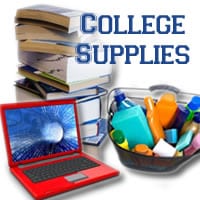
Getting Packed for College – Part Two

Last week we talked about text books, technology, and medical expenses for your child at college.  Let’s get into a few other areas that can break your budget.

Student Housing

While freshman typically have to live on campus, other year students may not.  Compare the cost of these options:

  • Renting a bedroom in a local residence
  • Sharing  an apartment or house with multiple roommates.
  • Being a dorm resident advisor (see if it will reduce rates).

Bed and Bath Items

Many stores right now offer back-to-college shopping lists. Start one of your own so nothing gets forgotten.  You may want to consider areas such a:

  • personal toiletries
  • linens and towels
  • kitchen and laundry needs
  • supplies for studying
  • entertainment needs
  • storage containers/bags

Check to see if there are chain stores near campus. If there are, you can shop there instead of lugging everything from home. All this requires planning ahead.

Access to Spending Money

Last but not least: money and finances.  Your child will need to have access to cash and you want to be proactive here.  Look into which banks are on campus, so your child won’t lose money on ATM fees for withdrawals.  It’s more important that it’s convenient for him than you.

With today’s banking, you can link his account to yours so that you can put money into his  account when needed.  Don’t assume he’ll know what’s appropriate.

  • Discuss needs versus wants
  • Be clear on what expenses you’re willing to cover and what you won’t cover.
  • Never doubt that your child will spend as much money as you give him. It’s too easy to overspend money with no guidance.

Planning ahead will save you a considerable amount of money.  Now is the time to make these additional college expenses fit into your budget.

Getting Packed for College – Part One

It’s time to think about getting your children ready for college next month. While you’re making a list of supplies, consider this:

Text Books – don’t wait until you get to the bookstore.

  • With recent changes, text book prices have to be printed on the course schedule. This will give you an idea of the cost of each class’s books.
  • Don’t stop there. You can see if there are used copies to purchase, saving you some money. But make sure they are the same edition.
  • Another way might be to look into www.BookRenter.com and www.Chegg.com. These will help you price shop for your children’s text books.

Doctor – near campus and in your network

Kids don’t think about needing a doctor ahead of time. If you have medical insurance that covers your child at school, do some research. You want your child to have this information before he gets sick or hurt. That way you won’t have out-of-network medical expenses.

Printer – do you really need one?

  • Talk with the school and see what options are available to use on campus.
  • If that’s not the answer, then look for an office store, such as Staples or Kinkos, that is easily accessible.
  • You might think a printer is not a big expense, but the paper, ink and toner can be.

These types of expenses can put a kink in your budget.

Next week I will continue with a few more things to think about before your child heads off to college.

3 Things You Should Teach Your Child About Money

What do your children learn about money from watching you?  I recently saw the movie Confessions of a Shopaholic. It starts off with a young girl in a shoe store, unhappy with her new, practical, sale-priced, boring, brown shoes. She remembers looking into other stores and seeing “A world where grown-up girls got what they wanted…They didn’t even need any money, they had magic cards.”  The magic cards are credit cards, and when she grows up, she fulfills her dream by getting 12 of them. She soon finds out the cards aren’t so magical when she maxes them out and has to deal with the consequences.

Do your children think credit cards are the magic solution to their wants? If this is the message that is received, then they are on the path to being a slave to financial debt. There are three things that I believe children need to learn about money and credit at an early age.

1. Children need to learn how to spend less than they earn. In simple terms, a person making $100 a week needs to spend less than $100 per week. You can teach your children with their allowance or chore money and by using age-appropriate money lessons. Discuss the cost of an item in relation to their income, not yours. Talk about all the purchase options: buying full-price, waiting for a sale, buying used, borrowing, or renting from the library.

2. Children need to learn how to save for their wants. They need to learn how to plan and wait for the items they want. A great habit to get them into is taking a percentage of their money and saving it.

a. Talk about where to store their saved money. When they are small, use separate containers for saving and spending so they can see their money grow or disappear as they save and spend. When they are older, have them open a bank account to earn interest.

b. Use age-related items to start the savings conversations. Think about all the things they ask you for: iPods, game systems, their first car, or their career dreams (i.e. college). Don’t forget to discuss all the extras that go with their purchases. iPods need songs. Game systems need games. Cars need insurance, gas and maintenance. College expenses involve more than tuition. Instilling the habit of saving and planning will benefit them for a lifetime.

3. Children need to understand credit. Not just what credit is, but how it affects all their finances.  You know that credit plays a major part in everyone’s lives, from employment to buying a car, from the credit terms you are offered to whether or not you will need a security deposit for your utilities. But, how do you explain that to a child?

a. Show him something he wants and ask, “Would you rather have it right now and pay $20 for it? Or would you rather wait 2 months, pay only $5 for it, and have more money to spend on other things you want.” Tell him that is what it’s like when you use credit. Credit always costs more. You get what you want right now, but you end up spending more and having less money.

b.You can also explain that when someone buys too many things with a credit card (and doesn’t have the money to pay it back), other people think less of that person and won’t give him a job or a place to live. Those are the consequences of bad credit in the simplest terms possible.

Don’t let your children learn the hard way.  Being in tremendous debt is a terrible inheritance to pass on. Teach your children now so they can make proactive, informed choices throughout their lives. If you don’t know where to begin, get your copy of Cash, Credit and Your Finances: The Teen Years and read it along with your child.

Can you minimize college expenses?

There isn’t anything that you can do about the cost of tuition once you have chosen your school But, you can plan for other costs: the books, room and board, technology, supplies, medical, and entertainment.

Books

Books are necessary for college, but can you lessen the costs? Yes! With the Higher Education and Opportunity Act that went into effect last month, assigned textbook prices must be printed in the course schedule This is a big win for your budget In the past, most people didn’t know the price until they got to the college book store It gives you the opportunity to price shop for the textbook I suggest looking for used or rented text books Check out www.Chegg.com or www.BookRenter.com.

Room & Board

You might be thinking that room and board are a fixed expense, and that’s true for freshman But, most colleges allow you to live off campus after your first year That opens up some new options More roommates equates to more savings If you want multiple roommates to really cut down on costs, you could consider a house rental If you don’t want roommates, you could look for a room & board arrangement These would be local homeowners who are looking to rent out a spare room Prepared meals and access to laundry may be included as part of the agreement If you want an on campus option, look into becoming a Resident Adviser RA’s typically get a room and board reduction but check with your school to confirm.

Technology

It’s a given that you will need a computer But do you need a printer? If you do, check the back-to-school specials Remember, printers require paper and ink Shop around for supplies, don’t just rely on the campus book store You may also find that you don’t actually need a printer in your room Ask questions and see what’s available on campus There could also be an inexpensive printing service off campus, like FedEx/Kinko’s.

Supplies

Think about what you need, as well as how much you need You can minimize expenses by not overbuying Your entire family may empty a bottle of shampoo in a month But when it’s just you, a single bottle could last a whole semester or longer Make a list, talk it over with other people, and revise your list as needed Then shop for the best deals before you head to school Prices may be higher in the town or city near campus.

Medical

Something you may not think about, but should, is medical insurance If you parents have insurance, you can probably be covered by them But, do they have in-network insurance? That means that you can only be seen by select doctors or medical centers Do they have those options near your school?

Entertainment

Most people have some form of entertainment to help them relax But, entertainment can be expensive That’s why a lot of college students learn how to play card games, like Eucher Or, they start kicking the soccer ball around in unofficial games of football These types of games are free But, you should plan on enjoying some paid events, whether it’s attending the games, seeing movies, or going out with friends Plan ahead and budget how much you’re willing to spend each week on entertainment Use cash, and don’t bring your debit card with you when you go out It will help prevent overspending.

All your little expenses will add up Give them thought and research ahead of time to save yourself a considerable amount of money.

Jill interview in the New York Daily News

Back to school season and it’s time for the other big talk: money

BY Jean Chatzky
Monday, August 23, 2010, 4:00 AM
Original Article Link in the New York Daily news
PDF Version

Back to school season in my house, and likely in yours, means a long to-do list. Stock up on school supplies and clothes. Organize binders. Send everyone to bed a little bit earlier. I know: You’re busy.

But this year I want you to add one more thing to your list: I want you to talk to your kids about money. Many parents are intimidated, yet what you need to teach them is not something they’re likely to learn in school.

“Parents tend to feel that they’re not comfortable with the information, that they don’t have enough expertise or that they themselves have made mistakes,” said Laura Levine, executive director of the Jump$tart Coalition for Personal Financial Literacy in Washington. “But it’s important to understand that kids really do see them as a primary source of information about money.”

When it comes to teaching your kids about money — just like when you’re helping them study for a test — you can’t expect to know it all. I don’t, nor do I pretend to. When one of my kids asks me a question that I don’t have the answer to, we look it up together and discuss what we find. It’s so much better than putting the discussion off altogether because the earlier we start teaching our kids financial basics, the less likely they are to fall into traps.

To encourage people to talk, I’ve joined with American Express to create resources for the first National Money Night Talk, set for Sept. 16.

To take part, parents pledge to talk to their kids about saving, budgeting, credit cards and credit scores. Visit moneynighttalk.com for free tool kits I created to give you the talking points, questions, answers and exercises you and your kids can do together. There’s one for middle school-aged kids, another for high schoolers and another for college students.

Here are a few key concepts to keep in mind when you have your talk.

HOW MUCH TO SHARE

A reason many parents shy away from a big money discussion is that they don’t want to share their own financial information — salaries, debts — with their kids. That’s okay, you don’t have to, but you also don’t want to send the message that money shouldn’t be discussed, said Jill Russo Foster, author of “Cash, Credit and Your Finances: The Teen Years.”

“I’ve taught classes and asked how many kids know if their parents own or rent their home. If they don’t know, I send the question home and I’ve had parents who wouldn’t answer. I’m not asking you to tell them how much you make each week, but this is a basic question,” Foster said.

I like real-life examples, but it’s okay to pick ones that aren’t so personal. Kids want to know how much it will cost to live on their own. Pick ones you feel comfortable discussing: How much you spend on groceries each week, the phone bill, the cost of a MetroCard and the percentage of your salary you try to save.

THE GREAT RECESSION

Today’s teens know they’re experiencing tough times. Maybe a parent or a friend’s mom or dad lost their job, or there were foreclosures in the neighborhood. They may be wondering about the impact on you and your family but have been reluctant to ask.

This is a good way to work in lessons about living within your means, saving money and creating an emergency fund in case of a layoff, unexpected expense or emergency.

SET AN EXAMPLE

This year, try a different approach to your back-to-school spending: Tell your kids you’ll be spending a set amount of money. (Decide how much you can afford before the talk.)

Together, make a list of what you need to buy. Then pick a day to go shopping and let them budget their money.

If they pick out a pair of $100 sneakers, help them figure out what they still need to purchase — and whether they can afford the pricey kicks.

Your Money columnist Jean Chatzky is financial editor of NBC‘s “Today” show, a contributor to “The Oprah Winfrey Show” and the author of seven books, including, “Money 911: Your Most Pressing Money Questions Answered, Your Money Emergencies Solved.” Check out her blog and learn about her Debt Diet Online at jeanchatzky.com.

Cash Savvy Kids

Are your kids cash savvy? Should they be? Here are some things to think about:

  • High debt levels are taking their toll families and our youth!
  • As many as 65% of graduates are moving back home.
  • Scary that both kids and adults have committed suicide over credit card debt and financial matters!
  • Your children could have a healthy marriage later if you taught them to be financially smart early in life.

Kids need to learn about money BEFORE they get into financial trouble! Join me today at Cash Savvy Kids, the free teleseries for you and your kids.

Sign up for the free teleseminar at: Cash-Savvy-Kids.com

Jill Russo Foster

I had a great time at the Queens Book Fair!

Jill at the Book Fair

I had a new experience this past weekend. I participated in my first book fair On Saturday, I had a booth at the Fourth Annual Queens Book Fair in New York and was a Featured Author on their Author’s Panel. I spoke to the attendees about teens and how to introduce teenagers to the concept of managing their own money. I was able to sell books to a market that had never met me before, as well as talk to people about future speaking engagements. So stay tuned I’ll keep you posted on where I’ll be next.

  • « Previous Page
  • 1
  • 2
  • 3
  • 4
  • Facebook
  • LinkedIn
  • Pinterest
  • Twitter
  • YouTube

Contact Jill:

Email: jrussofoster@gmail.com or use this form.

Looking for something?

Follow Jill Russo Foster’s board Money on Pinterest.

Copyright © 2026 Jill Russo Foster