• Home
  • Products
    • 111 Ways to Save
    • Thrive in Five: Take Charge of Your Finances In 5 Minutes A Day
    • Cash, Credit, and Your Finances: The Teen Years
  • Resources
  • Speaker Info
    • Adult
    • School Age
    • Speaking Engagements
  • About Jill Russo Foster
  • Press/Media Kit
    • Full Media Kit
    • Bio
    • Photos
    • TV Appearances
    • Print Appearances
    • Radio / Podcast Appearances
    • Speaking Engagements
    • Press Releases
  • Contact Jill

Jill Russo Foster

Tips for Successful Personal Finances

  • Events
  • Every Day Finances
    • Banking
    • Budget Planning
    • Family Finances
    • Personal Finance
    • Reducing Expenses
    • Shopping Tips
    • Teenagers and Money
  • Protecting Your Home
    • Disaster Preparedness
    • Energy Efficiency
  • Tax Tips
    • Charitable Giving
  • Manage Your Credit & Identity
    • Debt Management
    • Mortgage Tips
    • Get Great Credit
      • Loans
      • Credit Card Act of 2009
      • Credit Management
      • Credit Report
      • Credit Report Reminder
    • Identity Theft & Fraud
      • Identity Theft
      • Fraud Alert
  • Organization & Planning
    • Organizing Your Space
    • Organizing Your Time
    • Vacation Planning
      • Travel Tips
    • Plan for the Future
      • Financial Goals
      • Marriage and Finances
      • Retirement Planning
You are here: Home / Archives for Jill Russo Foster

National Parks Trips

What are your plans for 2026?  For us, we always make travel plans.  Here are a few things to know about traveling to a National Park in 2026:

Here are the 10 FREE days to help you plan for 2026:

  • February 21: President’s Day
  • May 30: Memorial Day
  • June 14: Flag Day (Trump’s birthday)
  • July 4: Independence Day weekend
  • August 25: 110th Birthday of the National Park Service
  • September 17: Constitution Day
  • October 27: Theodore Roosevelt’s birthday
  • November 11: Veteran’s Day

These days are different than in the past years, so mark your calendars,  We have been to several with many more on our bucket list.  Our most recent trip was to Mount Rushmore.


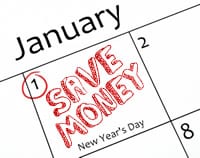
January Reset

For us, we look over our finances every January.  Yes, we do this all the time, but this is the time we reassess everything.  Here is what we do: 

  • Auto / Home and Umbrella insurance – we checked to see that we are paying a competitive annual rate for all policies
  • We took our safe driving class to lower our auto insurance (This is something we do every three years)
  • TV / Internet – we did this in December.  Our current provider increased our internet, so we switched to the competition and cut our bill in half
  • We set up automatic monthly payment from our checking account to lower our medical insurance premiums. Just switching from a credit / debit card to checking account, saved us money.
  • We are in the process of consolidating accounts.  We transferred retirement accounts from past employers to one account.
  • We have started the process to update our wills, power of attorney, healthcare proxy and more.  There is so much more with these with your digital footprint to consider.

These are some of the things we have done in previous years:

  • We eliminated our trash and recycling services, saving us $75/ month.  It costs us $25 annually for the Town permit.  Savings = $825.
  • We do our own yard work – lawn mowing and snow removal.

What are you doing in January with your finances?

What Are Your Hidden Money Leaks?

Do you ever seem to think, where is my money going?  In 2025, we made lots of changes to our finances to reduce and/or eliminate expenses.  According to a recent article from AARP, these hidden money leaks could be hazardous to your budget:

1, Automatically renewing your auto insurance: this is the next project for us. We are going to shop our home and auto insurance for better rates.

  1. Putting your internet on auto pilot: we switched providers last month and reduced our internet bills by two thirds. Yes, having to make an appointment for installation was a pain, but we have a guaranteed rate for three years that works for us.
  2. Paying for unused subscriptions
  3. Overspending on entertainment: we cut the cord on the triple play package and eliminated our home phone and cable TV. We are able to watch movies from our local Library with an app called Hoople for free,
  4. Overlooking bank fees: our bank accounts do not have any fees and neither should yours. We even earn interest on our checking account. We don’t pay a monthly fee and we don’t have to keep a certain amount to do that.
  5. Paying high credit card annual fees
  6. Leaving FSA funds behind: do you have an FSA (Flexible Spending Account)? If so, you have until the end of the year to use the funds to make purchases. If there is nothing you need to purchase, maybe stock up on over the counter medicines.  You can also submit for reimbursement past expenses from the current year – copays, out of pocket costs, glasses / contact lens,
  7. Letting gift cards go to waste: you need to use or sell them before you lose them – the value doesn’t get lost, but you may misplace them.

For the full article click here.

Cost Cutting Strategies to Plug Money Leaks

Oh No, The Holidays Are Coming!

The holidays are here, whether you are ready or not! Guard your budgets and hold onto your wallets. You might be thinking I’m crazy, but the retailers have positioned their holiday displays to disarm you of your cash, especially this year with more sales days – Vlack Friday (That started early). Small Business Saturday, Cyber Monday, Giving / Travel Tuesday.

Can you make this year different?  Can you stick to your list and not overspend?  You can if you make a detailed plan. Write down exactly what you will be buying and the dollar amount you plan to spend.

Here are some suggestions that should help you with your holiday budget list.

  1. Gifts
  • How much for immediate family?
  • How much for extended family?
  • How much for friends and co-workers?
  • How much for people whose services you use?
  1. Entertaining
  • How much will it cost when you host a gathering?
  • How much will you spend on hostess gifts when you attend a party?
  1. Travel
  • How much will it cost for local travel (gas, tolls, parking, etc)?
  • How much will it cost for long distance travel?
  • How much will it cost for vacation?
  1. Traditions– this can be anything from an afternoon tea to a night on the town.

If you write it all down, you might realize you’re planning on spending $300-$500 on gifts for people who aren’t on your immediate family list. And hosting dinners can be expensive just because you want to put on a good appearance. Ever notice a big stain on the tablecloth and found yourself running to the store at the last minute to buy one full price?

Holiday fun can wreak havoc on your budget, but it doesn’t have to.  Now is the time to get a jump start on planning, and to put away money for the details that are important to you. Think of it as your own layaway plan. Take money out of each check, and spread out your spending, that way you won’t have buyer’s regret in January.

Doing this now may make January 2026 less stressful and not stressing over the credit card bills in January.

Two Checking Accounts

People always ask me why I have two checking accounts with different banks.  This weekend was the best example of why I do this.

Yesterday while I was driving home, I received a text message.  It was from my bank saying that my Uber Eats purchase was approved.  I didn’t order from Uber Eats.  So, was this a spam text message or was this legit? Once home, I signed into my account and found out it was legit.  Ugh!

Now on a Sunday afternoon of a holiday weekend, I am on the phone with the fraud department shutting down my debit card and disputing the charges.  The debit card was still in my possession, so it wasn’t lost or stolen, but it was compromised.  I always tap when using my card, so as not to deal with skimmers.

Now I wait.  No debit card until the new one arrives.  The money in my account is not available currently while the disputes being are researched.  If I only had one checking account, I would be in trouble with minimal access to my money.  All will be ok soon.

This isn’t the first time this has happened and I am sure this won’t be the last.  In the meantime, I have my second checking account to use.  That is why I keep two checking accounts with two different banks.

Is That Charity Worth Your Donation?

This year has been challenging, with wildfires, hurricanes and flooding. We all want to help and these people need our help. but you want to give your money and items where it will do the best and not go to scammers. When disasters happen, scammers come out. If you choose to give, and I’m sure you do, make sure your money goes to those in need (not to scammers) through a charity that you have researched.

Check them out before you make the decision to give.

Fundraisers can legally keep most of the money donated to the cause. Not to mention the scammers who are out there to take your money. Before you donate, find out whether the charity is legitimate and what percentage of donation actually go to the cause.

You can start your research at Give or Charity Navigator. These organizations research charitable organizations to find out how they use the funds they receive – how much actually goes to the cause versus other expenses.

Here are some tips to help in your research:

  • Find out if the charitable organization has a 501(c) status (IRS code for non-profit organizations).  Non-profits have stricter requirements, and your donation may be deductible on your tax return.
  • Find about how much of each dollar is being used for the cause versus administration costs and other expenses. The more expenses, the less of each dollar is being used for the cause. Look for the lowest administrative costs.
  • For cash donations, request a receipt to use as documentation on your tax returns. All donations over $500 will require additional documentation, so speak with your tax preparer ahead of time.
  • When donating non-cash items such as food, clothing, furniture, automobiles etc, you will need an itemized list of the items you donated and the total value. Most charities will ask you to value your own items.
  • Check with your tax preparer for specific details for your situation and make sure you get a receipt for your donations with the charity’s information on it.

Do your research and chose the organization(s) wisely.  This is a great way to help out others who are less fortunate than you during this season of giving.

This Weekend

What is everyone doing this weekend?  We’re expecting good weather, so we will be outdoors.

Do you want your teen to learn about money and finances?

Register Your Teen for Teens and Money – register today!

Come and join me for Kids On Campus at Norwalk Community College (Norwalk, CT) this summer.  I will be offering a workshop, Teens and Money: Teens Personal Finance for grades 9 to 12 for 1 week only – July 21 to 25, 2025 from 9 to 12.  To register contact 203-857-7080.

Join me for Teens and Money in July

Register Your Teen for Teens and Money (only a few spaces left)

Come and join me for Kids On Campus at Norwalk Community College (Norwalk, CT) this summer.  I will be offering a workshop, Teens and Money: Teens Personal Finance for grades 9 to 12 for 1 week only – July 21 to 25, 2025 from 9 to 12.  To register contact 203-857-7080.

Register Your Teen for Teens and Money

Come and join me for Kids On Campus at Norwalk Community College (Norwalk, CT) this summer.  I will be offering a workshop, Teens and Money: Teens Personal Finance for grades 9 to 12 for 1 week only – July 21 to 25, 2025 from 9 to 12.  To register contact 203-857-7080.

  • 1
  • 2
  • 3
  • …
  • 82
  • Next Page »
  • Facebook
  • LinkedIn
  • Pinterest
  • Twitter
  • YouTube

Contact Jill:

Email: jrussofoster@gmail.com or use this form.

Looking for something?

Follow Jill Russo Foster’s board Money on Pinterest.

Copyright © 2026 Jill Russo Foster