• Home
  • Products
    • 111 Ways to Save
    • Thrive in Five: Take Charge of Your Finances In 5 Minutes A Day
    • Cash, Credit, and Your Finances: The Teen Years
  • Resources
  • Speaker Info
    • Adult
    • School Age
    • Speaking Engagements
  • About Jill Russo Foster
  • Press/Media Kit
    • Full Media Kit
    • Bio
    • Photos
    • TV Appearances
    • Print Appearances
    • Radio / Podcast Appearances
    • Speaking Engagements
    • Press Releases
  • Contact Jill

Jill Russo Foster

Tips for Successful Personal Finances

  • Events
  • Every Day Finances
    • Banking
    • Budget Planning
    • Family Finances
    • Personal Finance
    • Reducing Expenses
    • Shopping Tips
    • Teenagers and Money
  • Protecting Your Home
    • Disaster Preparedness
    • Energy Efficiency
  • Tax Tips
    • Charitable Giving
  • Manage Your Credit & Identity
    • Debt Management
    • Mortgage Tips
    • Get Great Credit
      • Loans
      • Credit Card Act of 2009
      • Credit Management
      • Credit Report
      • Credit Report Reminder
    • Identity Theft & Fraud
      • Identity Theft
      • Fraud Alert
  • Organization & Planning
    • Organizing Your Space
    • Organizing Your Time
    • Vacation Planning
      • Travel Tips
    • Plan for the Future
      • Financial Goals
      • Marriage and Finances
      • Retirement Planning
You are here: Home / 2009 / Archives for November 2009

Archives for November 2009

The holidays are here.

The holidays are here. If you need to stay within a budget, start early.

First, make a list of all the people on your holiday gift list, then see if you can make changes.

Could you give a family gift instead of individual gifts?

Can you go in on a gift with someone else and share the cost?

Would a name draw work for the family party? With a name draw, each person buys only for the person whose name they drew. It’s fun and inexpensive. Do a separate drawing for the children so each child receives one gift and gives one gift. Make sure to set a dollar limit that everyone can afford.

Once your list is complete, set a firm amount for each person and don’t go over. The grand total of all your gifts should be a realistic amount that you can afford. Be honest with yourself.

When shopping, keep your list of people and your budget amounts with you. Check the sales fliers now because holiday sales are already starting. Big retailers are also adding holiday layaway plans.  Layaway plans work great if you know your budget. They allow you to make affordable payments without using a credit card.

You could also try giving gifts that don’t cost a lot of money. Service coupons are a wonderful gift. For example, you could cater a meal for a family that has a busy lifestyle. Try an inexpensive but meaningful gift, like a photo CD or memory album. The choices are endless if you take the time to think of what each person might enjoy most.

The most important thing this holiday season is to have fun and enjoy your time together. Create new memories instead of new debts.
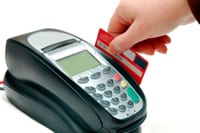

Which saves you more money: a debit card or a credit card?

Which saves you more money:  a debit card or a credit card? Most people believe debit cards are cheaper because there’s no interest rate or annual fee. But what about overdraft fees?

Debit card overdrafts are now the biggest source of revenue for banks. The danger with debit cards is twofold: One, the transactions hit your account instantly and two, very few people keep track of their debit card transactions in a check register.

Debit cards are convenient and fast. We use them for everything from buying $200 worth of groceries to $1.50 take-out coffee. The problem is that we aren’t notified at check-out if our account is overdrawn like we would be if we had maxed out a credit card. And overdraft fees are expensive – approximately $30 per transaction. Some people have found themselves with $60 – $1,00 in overdraft fees in a single day because they continued to use their debit card while their account was overdrawn.

Please, take a moment to record your debit card purchases. Remember, too, that debit cards hit your account instantly but deposits don’t. If you deposit a check and use your debit card on the same day, the debit card transactions will hit your account before your deposit clears.

Your Savings Account is Your Emergency Fund

Your savings account is your emergency fund. How much should you have? I’m not asking about your retirement or investment fund – I’m asking about your standard savings account. You probably don’t want to hear my answer, but I believe we all should have a year’s worth of income in savings.

That amount could tide you over if you lost your job, were laid off, or had to take a medical leave of absence. In the past I might have recommended 6 months, but you may have a harder time finding a replacement job in these economic times.

So how do you save 12 months worth of income? For most people it means cutting back. Try going over your bank statements to see where the money is leaking away. Are you spending $20 a day on fast food? $100 a month on cable services? $50 on parking? I’m sure you can think of other expenses that you could temporarily go without.

On the other hand, if you’ve cut your spending to the bone and still can’t save money, then look for extra income. Try getting a part time job, or selling unwanted items for cash. If you make the extra sacrifice now, you could have a sizeable savings account in a few years – one that could save you in an emergency.

  • Facebook
  • LinkedIn
  • Pinterest
  • Twitter
  • YouTube

Contact Jill:

Email: jrussofoster@gmail.com or use this form.

Looking for something?

Follow Jill Russo Foster’s board Money on Pinterest.

Copyright © 2026 Jill Russo Foster